If you have ever shopped for a used car, you have seen it in almost every listing: "1st Owner," proudly displayed like a badge of honor. If you have ever sold one, you have probably wondered how much that single label actually impacts the resale price.
The short answer: yes, ownership count affects market value — but not as much as people think, and not for the reason most assume.
Here is what is really going on behind used car valuation numbers.
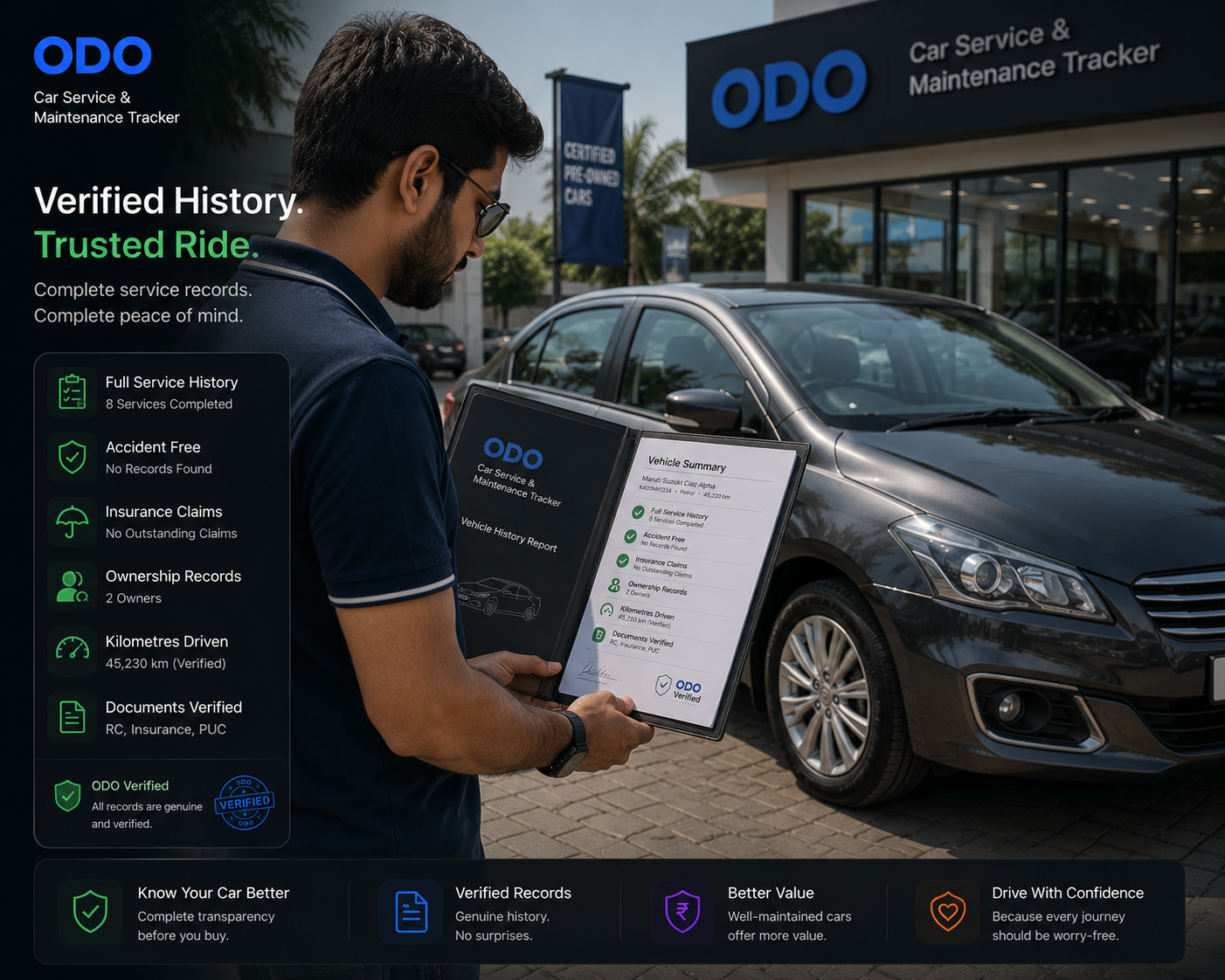
1. Why "First Owner" Commands a Premium
A single-owner vehicle does tend to command a slightly higher asking price on the used market, and there is clear logic behind it:
- Fewer Unknowns: One owner means verifying a single usage history rather than tracking two or three different driving styles.
- Assumed Maintenance: Buyers assume that an original owner who chose and purchased the car brand new maintained it with greater care.
- Cleaner Paperwork: A single owner usually translates to a simpler, more traceable chain of registration and service documents.
The "first owner" badge functions as a shortcut for lower risk and clear history. That transparency is what buyers are actually paying extra for — not the integer itself.
2. Why Ownership Count Matters Less Than You Think
- Ownership count is merely a proxy — a rough guess at what buyers actually care about: Was this car well maintained, and can I trust its history?
- A first-owner car with missing service records, vague repair history, and an unverified odometer reading is worth less than a fully documented second-owner car with a complete service record. The label says "First Owner," but the paperwork says "Unknown."
- Smart buyers pay for concrete evidence, not marketing labels.
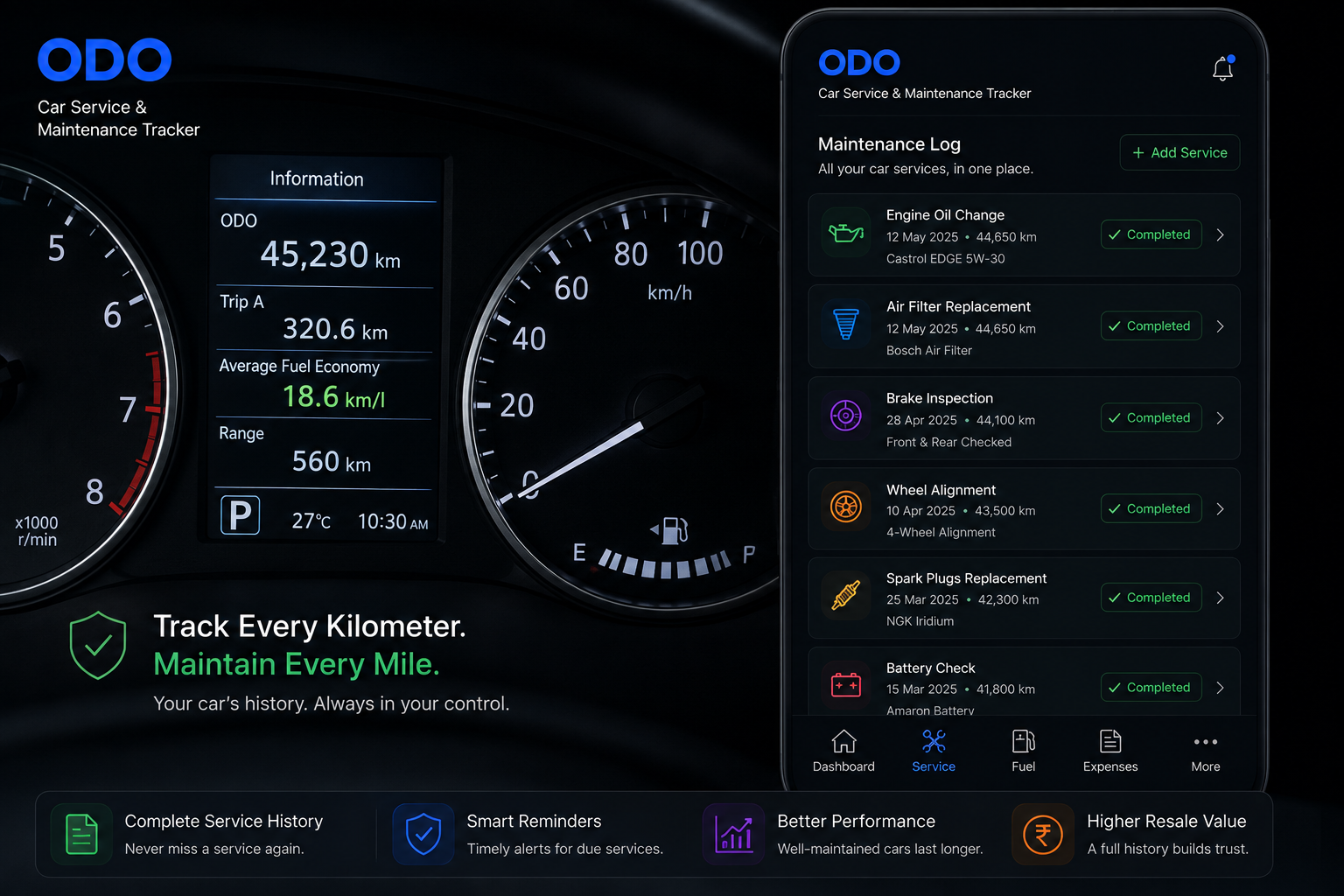
Build Provable Car Value
Turn service records, scanned invoices, and verified odometer logs into a digital history report buyers trust with Odo.
3. What Actually Drives Used Car Value
Beyond the owner count, these core elements determine actual market value:
- Complete Service History: A unbroken, verifiable record of oil changes, routine checkups, and parts replacements.
- Verifiable Odometer: A mileage reading backed by chronological service center visits.
- Valid Compliance Documents: Current RC, motor insurance, and PUC certificates.
- Physical & Mechanical Condition: The actual functional state of the engine, transmission, suspension, and bodywork.
- Itemized Repair Bills: Receipts proving major maintenance or wear-and-tear upgrades (e.g., fresh tyre sets or new brake rotors).
4. Strategic Advice for Buyers and Sellers
If You Are Selling:
- First Owners: Don't rely on the single-owner label alone. Pair it with a complete digital service history to command a true market premium.
- Second/Third Owners: A meticulously documented history allows a multi-owner vehicle to easily outsell a single-owner car that offers zero proof of maintenance.
If You Are Buying:
Don't overpay for a "first owner" listing without inspecting the paperwork behind it. Prioritize documented service records and verifiable mileage over the ownership count.
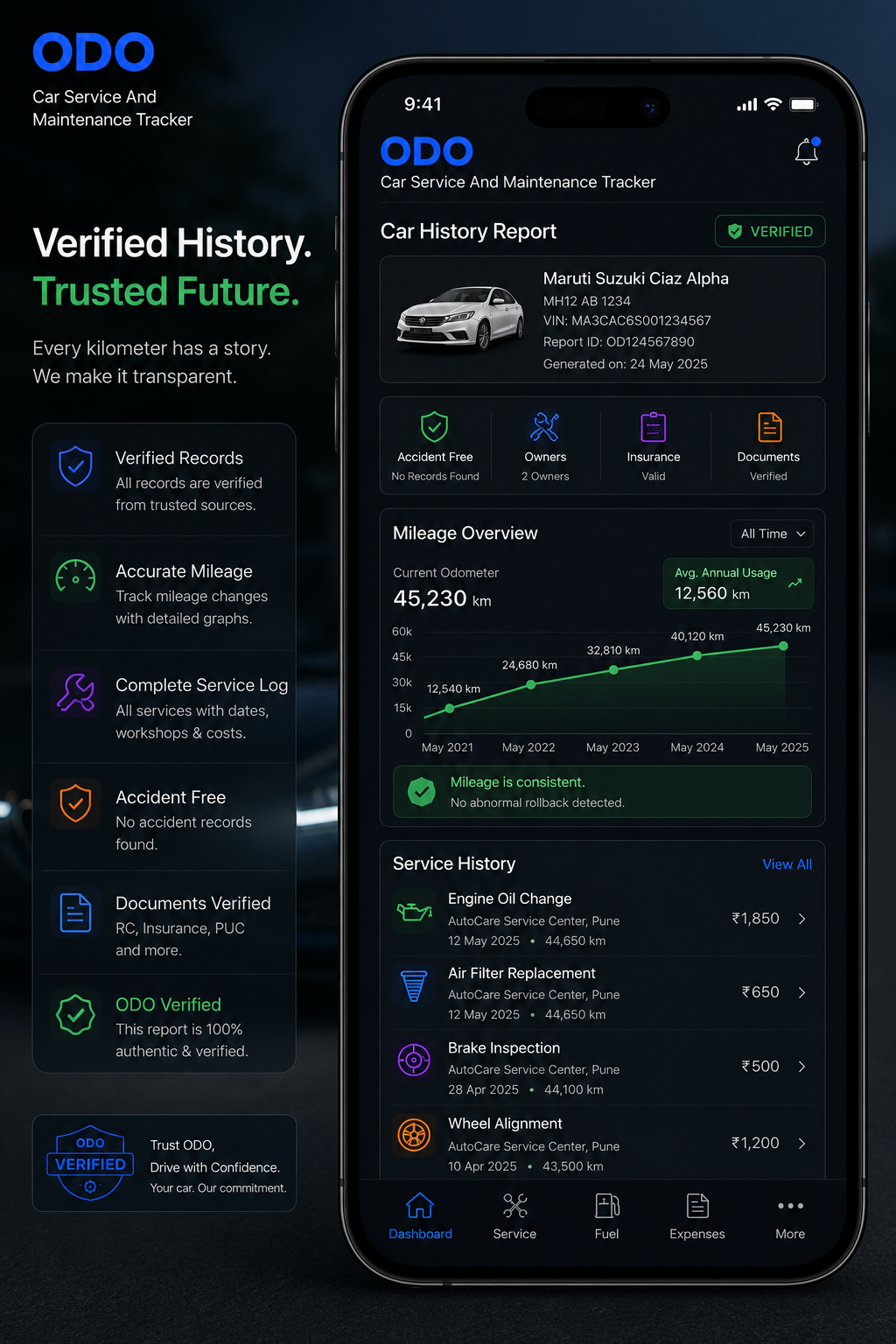
Maximize Your Car's Resale Value
Track every fill-up, store digital repair bills, and maintain a complete record of ownership effortlessly with Odo.
The Bottom Line
Being the original owner helps, but only because it typically signals a clearer history. Remove the proof, and the label loses its value. Add verified maintenance records to any vehicle — regardless of ownership count — and its market value goes up.
The real currency in the pre-owned vehicle market isn't ownership count — it is a history you can verify.