Buying a used car almost always involves negotiation — and it is the part most buyers dread. Push too hard and you risk losing the vehicle; don't push at all and you end up overpaying significantly. The difference between a great deal and a bad one comes down to preparation, not aggression. Negotiation isn't about out-arguing the seller — it is about being informed.
Here is how to negotiate the best price on a used car using a calm, prepared strategy that works.

1. Establish Market Value First
The single biggest mistake buyers make is negotiating without knowing what the vehicle is actually worth in the current market. Without establishing a fair market baseline for that specific model, year, and trim, you have no anchor point.
- The Fix: Research regional listings for identical models with similar mileage and condition.
- The Leverage: You now have a concrete price range to anchor your offer rather than guessing.
2. Use Mechanical Issues as Specific Leverage
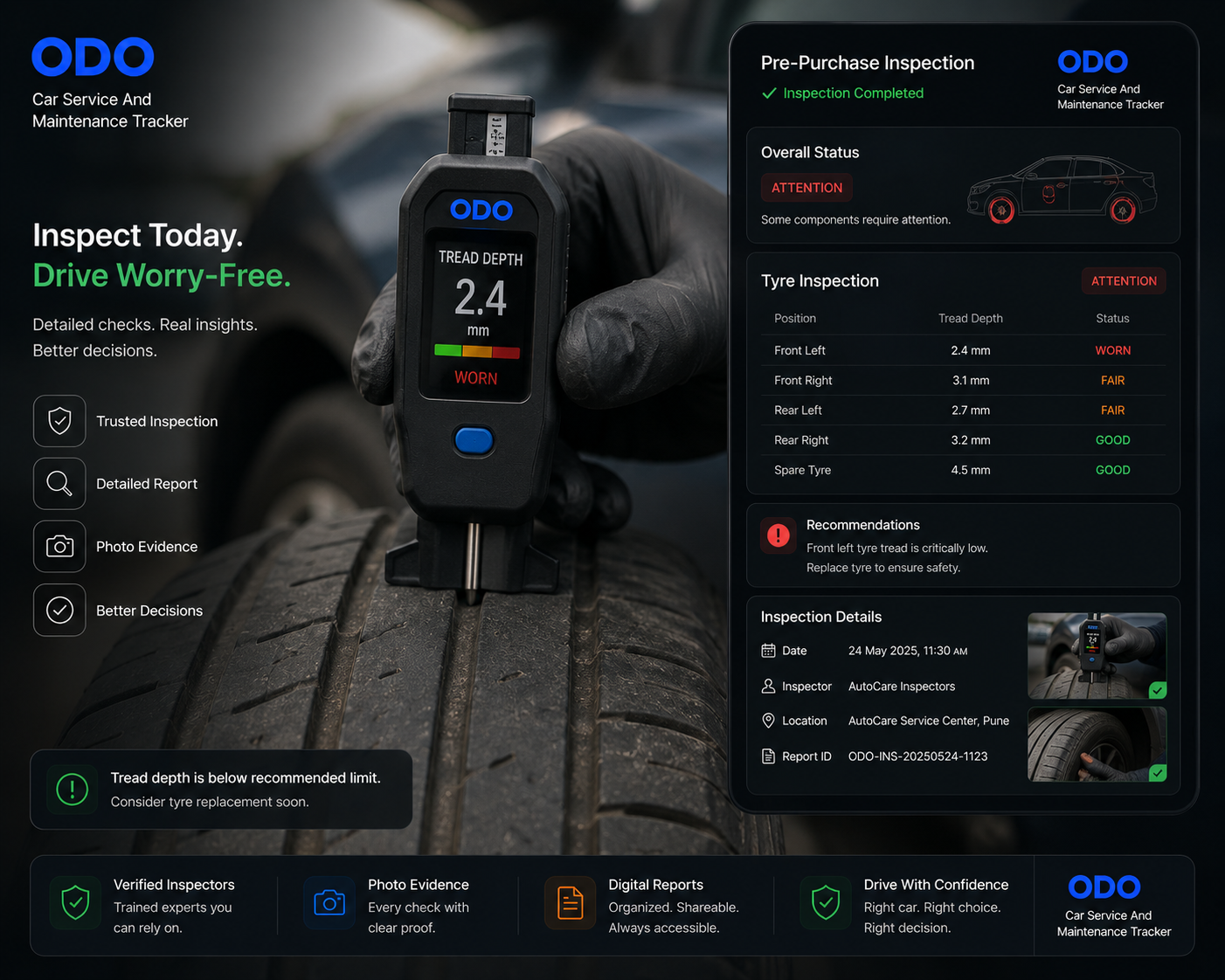
Every wear-and-tear defect uncovered during an inspection represents a legitimate financial reason to reduce your offer. Worn tyres, upcoming brake replacements, or an overdue service interval are real future expenses.
- The Fix: Conduct a meticulous pre-purchase inspection (or hire a technician).
- The Leverage: Itemize necessary repairs calmly — "The tyres will require replacement within 3,000 km, so I need to factor that cost into my offer."
Inspect Pre-Owned Records
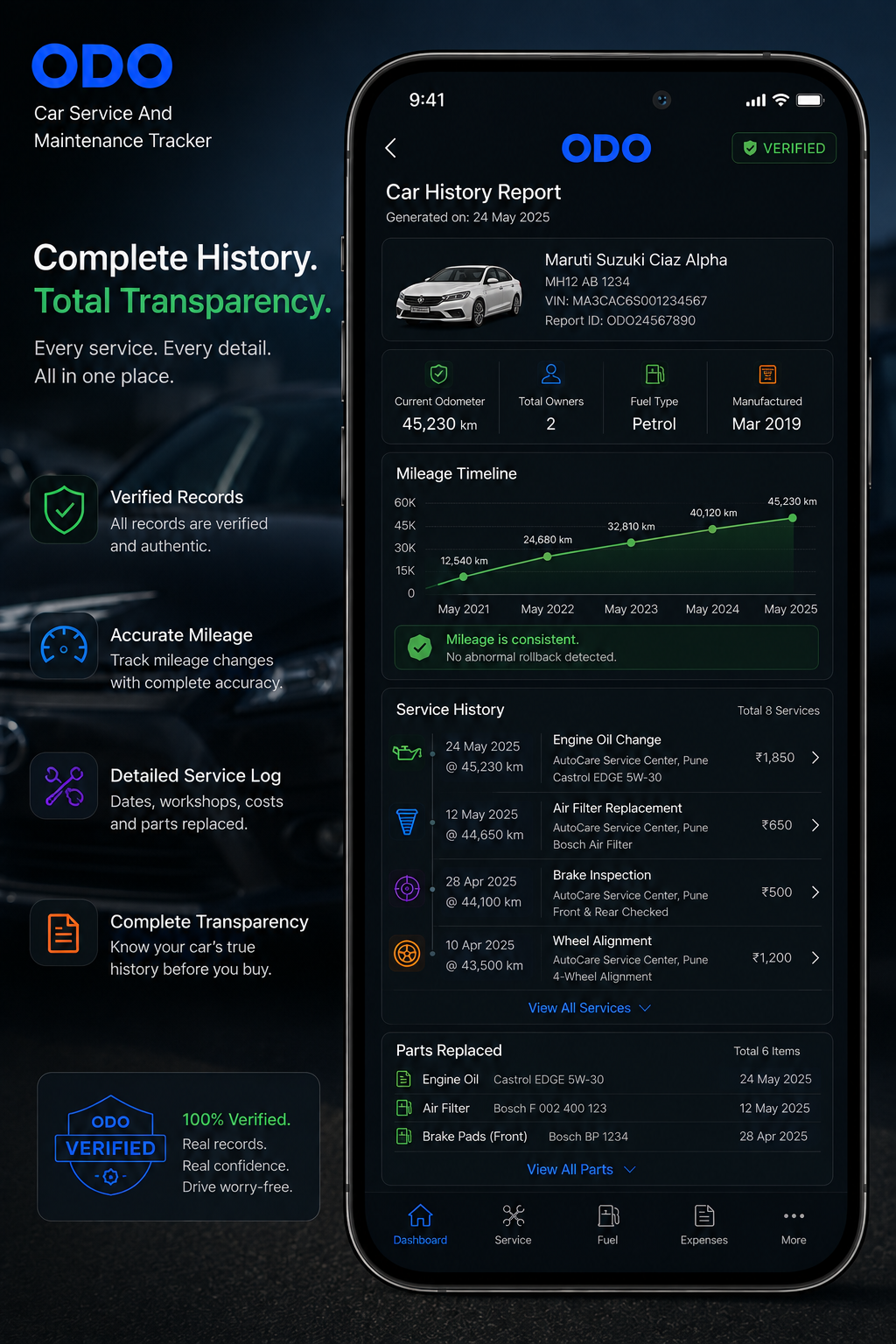
Request verified digital service logs and maintenance records before making your initial offer with Odo.
3. Evaluate Documentation and Service History
Ask for the complete service history, repair invoices, and compliance papers up front. A car missing historical records or showing gaps in service visits carries higher operational risk.
- The Fix: Verify that maintenance intervals match the current odometer reading.
- The Leverage: Incomplete paper records justify a lower purchase offer due to unverified maintenance risk. Verified records, conversely, confirm you are paying for a well-cared-for car.
4. Maintain a Neutral Demeanor
Showing excessive enthusiasm immediately weakens your bargaining position. Keep your communication polite, professional, and measured.
- The Fix: Avoid gushing over specific features or giving the impression that you have already chosen this specific car.
- The Leverage: Being genuinely prepared to walk away is your most effective negotiating tool.
5. Present a Justified First Offer
Arbitrary lowball offers alienate sellers and break down communication. The most effective initial offer sits below asking price but is backed by clear logic.
The Fix: Present your opening number clearly, explaining how market comparisons and upcoming repair costs led to that figure.
Essential Negotiation Checklist
- Research Market Value: Compare similar local listings for exact model and year.
- Inspect Thoroughly: Document all minor damage, wear, and upcoming service needs.
- Review Documentation: Check service records, registration, and past repair bills.
- Stay Composed: Avoid showing emotional attachment to the vehicle.
- Make a Justified Offer: Open with a reasoned number backed by repair estimates.
- Be Willing to Walk: Leave if the seller refuses to meet a fair, evidence-based price.
Protect Your Vehicle's Value
Keep a complete digital profile of your service records, fuel logs, and document renewals effortlessly using Odo.
The Bottom Line
- Effective negotiators are simply the most prepared people at the table. Know the market, inspect the car thoroughly, evaluate the documentation, remain composed, and be prepared to walk away.
- Negotiation isn't a conflict — it is using accurate data to arrive at a fair price.